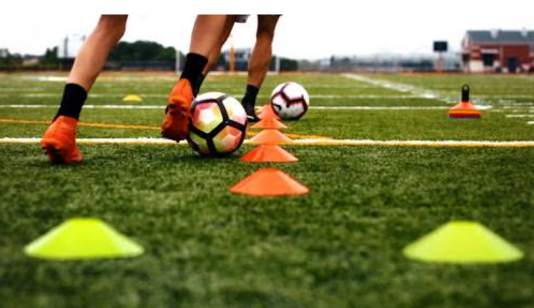
What goes on, exactly, during soccer training sessions, this is something many people ask themselves. Skill work, fitness, and understanding of the game, combined together inside one structured practice, this is, in short, the answer. And the goal behind it stays simple: helping players grow better with time. That is the core of it. Yet beneath the surface, there lies more, because cones and drills alone do not make a session work. Instead, how a player thinks, moves, and reacts, once the whistle sounds for a real match, this is what gets shaped. Heavy repetition, some coaches prefer this, while others, small games form the base of everything they build. Honestly, depending on who stands on the field that day, value can be found in both.
What Actually Happens During a Session
A warm up, this is usually how things begin. Jogging, dynamic stretches, footwork here and there, nothing too complicated, just enough to wake the legs and cut the injury risk down. Technical drills come next, cones for dribbling, first touch work, passing inside tight grids back and forth. By accident, none of this happens. Different forms, each drill gets repeated through, so control of the ball becomes something a player learns, whether space opens up or a defender presses close.
Something closer to a real game, this is where the session moves once technical work finishes. Small sided games, positioning work, pressure-based decisions, here is where players start tying together practice and what a real match actually demands. A cool down, almost every time, follows near the end, light stretching perhaps, a short jog too, letting the heart rate drop back down slowly.
Age Changes Everything
Something many fail to notice, here it is: nothing alike should training built for a seven year old and training built for a sixteen year old look. Short bursts wrapped inside fun activity, this is what younger children need, because, honestly, attention fades fast during a ten minute passing drill. Laughter, movement, games, these keep young ones locked into what is happening.
Longer sessions, more demanding too, become possible once players grow older. Attention holds up for longer stretches, and because of this, coaches manage to dig deeper into tactics, team shape, physical conditioning, all without losing focus halfway through.
Fitness Is Not Always the Headline, But It Is Always There
Even inside a session called “technical practice,” somewhere fitness finds its way in. Speed, agility, stamina, each feeds directly into performance once game pace picks up. Tucked between drills, short sprints or agility ladders often appear, and many times, fitness gets built without players even noticing it happening.
Worth pointing out, one thing stands here: completely different looks, between children and adults. Growing still, young bodies remain, so natural movement stays the focus, not heavy physical strain. Too hard, too early, pushing conditioning like this tends to bring more harm than good.
The Mental Side Nobody Talks About Enough
Most attention goes toward physical ability, yet quietly, just as much weight gets carried by the mental side of the game. Sensing a pass before it happens, reading the game, knowing exactly when to hold the ball or release it, none of this comes from athletic talent alone. Awareness, deliberately built through training, this is where it grows from, not only execution.
Instinct takes over, eventually, for players who train with consistency. Slowly, shouting instructions every few seconds stops being needed from a coach, because sense, the game starts making on its own to them.
Why Showing Up Matters More Than People Think
A part few enjoy hearing, here it is: help comes from talent, but winning comes from consistency, almost always. Twice weekly, without fail, a player attending soccer training sessions will nearly always move past someone gifted more naturally who shows up only now and then. Overnight, skills like passing accuracy and ball control do not appear, slowly through repeated practice they build, not through one strong session alone.
Muscle memory, too, gets built through consistency, which is simply another way to describe movements starting to feel automatic. Confidence grows, hesitation lessens, and once a real match begins, all of this becomes visible clearly.
Final Thoughts
Realistic expectations, this is what understanding a well structured practice helps set, for players and for parents watching from the sidelines both. Warm ups, skill drills, tactical games, fitness work, slowly all of this adds up, piece by piece. No shortcut exists here, no perfect formula either. Only steady, age appropriate training, along with patience enough to let real improvement happen on its own, naturally.
