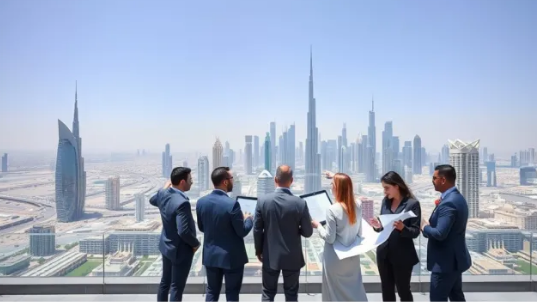
Asset management in Dubai, what it actually means for a building, can be explained in short like this: the tracking of every piece of equipment in a facility, the knowing of its condition, and the servicing of it before failure happens. As an idea, simple it sounds. To do well, though, is not always easy. Anyone who has managed a building in this place will already know, the heat, the dust, and the pace at which systems such as air conditioning and water pumps get used, all of this means things wear out much faster than people usually expect. Because of this reason, it is, in these times, not really something “nice to have” anymore. For owners of buildings, it has turned into, in a practical way, one of the more sensible methods for protecting what they have put their money into.
Why This Matters More in Dubai Specifically
A reason exists for why facility managers, in this particular city, talk about maintenance in a way different from people living in cooler climates. Extreme heat together with humidity puts real strain onto HVAC units, onto electrical systems, and onto plumbing as well. Dust, in some way, manages to get into nearly everything there is. A vent that, somewhere else, might last for years, here could clog within only a few months’ time. When no clear system exists for the tracking of which assets need attention, and when, problems have this tendency of surfacing exactly at the worst possible moment. A leak, more often than not, shows itself only once the ceiling has already suffered damage. An AC unit, it dies in July, right at the time it is needed the most. None of this is something unusual, and most of it, to be honest, could have been caught much earlier through even a basic tracking system being in place.
Preventive Maintenance Does the Heavy Lifting
One thing exists that separates the well-run facilities from those poorly run, and it is simply whether maintenance happens following a schedule, or only after something has already gone and broken. Preventive maintenance, this means, elevators, generators, fire alarms, and water systems get inspected at regular times, instead of getting looked at only once a failure has already occurred. Spoken out loud, an obvious point this sounds like, yet still many buildings continue operating in a reactive manner. The payoff, however, for doing this correctly, is something real. Fewer repairs of the emergency kind, longer life for equipment, and a good deal less money spent on putting out fires — sometimes this is literal — tends, generally, to follow.
Technology Has Changed How This Gets Done
Maintenance, in times past, used to live upon clipboards and spreadsheets, a method which worked fine until the moment a building had more assets than just a handful to keep track of. In these days, most teams handling facilities make use of some kind of digital system, one that logs the condition of equipment along with service history, and which sends out a reminder the moment something becomes due for checking. Patterns, also, get flagged by these kinds of systems — for example, should the same pump keep on failing every few months, this tells a manager that something deeper, perhaps, is going on. Not particularly flashy, as far as technology goes, yet it has brought a noticeable difference into how facilities throughout Dubai manage to keep track of large amounts of equipment without things slipping through whatever cracks exist.
Planning for the End of an Asset’s Life
This particular part does not get talked about as often, though just as much it matters as the repairs of the day-to-day kind. Every single piece of equipment, after all, comes with a shelf life of its own. A water heater, an elevator motor, a chiller — all of these, at some point, will need to be replaced. Knowing, roughly, when that point will arrive, allows a facility manager the ability to budget for it well ahead of time, rather than being caught off guard by some sudden capital expense. Buildings which plan in such a manner tend, generally, to avoid the sort of financial scramble that happens when three major systems go and fail within the same year, simply because nobody had seen it coming.
Safety Isn’t Separate From Maintenance
Worth stating plainly it is, that asset management concerns itself with more than just the saving of money. Fire suppression systems, emergency lighting, electrical panels — these require checks on a regular basis, because lives depend upon these working in the correct manner. To skip inspections only for the saving of a small amount of money is a gamble that nobody really should be taking, and this forms part of the reason why regulators treat these checks with such seriousness. A facility that is well-maintained is not only cheaper when it comes to running it, it is also, for everyone inside, a place that is safer.
People Still Matter More Than Software
All the systems for tracking, in this world, cannot take the place of a technician who is skilled and who actually knows what it is they are looking at. That a unit has become overdue for service, this much software can tell. What it cannot manage is the diagnosing of a strange noise, or the noticing of a part that wears unevenly before it becomes a problem of the real kind. This sort of judgment, instead, comes from experience — from technicians who have, on similar systems, worked often enough that they recognize trouble before it ever shows itself upon some checklist.
The Bigger Picture
Good asset management, in Dubai is not truly one single thing. It is preventive maintenance, it is digital tracking, lifecycle planning, and technicians of the experienced kind, all of this working together at the same time. When these various pieces come together in the proper way, facilities run with more smoothness, costs become something easier to predict, and the chances for a failure that is sudden and expensive drop by quite a bit. As the city goes on building and growing, the demand for facilities that are genuinely well managed, and not merely well built, this is only going to keep on increasing. Asset management, in the end, is how all of this gets achieved, day after day, in and out.
