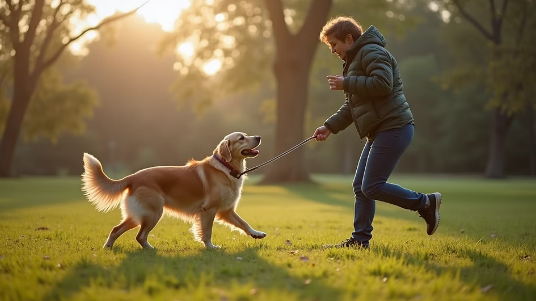
You’ve decided, finally, that your dog needs some help with training, and maybe looking into a dog training school is the next step. Maybe it is a brand new puppy that chews through everything it sees, or maybe an older dog who picked up a habit along the way that’s becoming hard to live with now. Whatever the reason that brought you here, professional training, in genuine cases, can turn things around quite a lot. But before signing up for anything, knowing what you’re actually getting into matters, how these programs function, and what results, realistically, you should expect.
Why a Professional Trainer Beats YouTube Tutorials
Plenty of people, when they start out, go with online videos first. For basic stuff, things like “sit” or “stay,” there’s nothing wrong with that approach. But once something heavier comes into picture, real aggression, anxiety the moment you step out the door, lunging at other dogs, a video simply won’t be enough. Trainers who do this work professionally, day in day out, can read a dog’s body language in ways most owners are not yet able to. They are not only teaching tricks here; they’re trying to understand why, in the first place, a dog behaves a certain way.
And here’s the thing worth knowing, no two dogs are alike. A program that’s actually worth the money will not give you some generic checklist to follow. It will look, properly, at your dog’s personality, their past history, and how your home is set up, before any approach gets decided.
The Behaviors People Actually Bring to Trainers
Dogs, generally, don’t act out without reason. Nonstop barking, dragging you down the street while walking, jumping all over guests who visit, guarding the food bowl as if it’s treasure, refusing to settle when nobody’s home, these are all forms of communication. It’s just that we don’t always understand this communication right away.
Take leash pulling as an example. It is easy to think the dog is simply being difficult, but more often, they never actually learned what calm walking looks like. Nobody showed them this. With guidance that’s clear and repeated, this confusion tends to clear up fast enough.
What Actually Happens in a Training Program
Most decent programs begin with some sort of assessment. The trainer observes how your dog reacts, what triggers them, how they communicate with the world. From this, a plan gets built around obedience work, control over impulses, and safe chances to socialize. Some of this takes place in group classes, some one on one, some right inside your own living room, depending on what suits your dog best.
Here’s something nobody tells you beforehand though: the real work, actually, happens at home. Dogs learn through repeating things again and again, and trainers will show you how to keep reinforcing these lessons once the session has ended. Training is not something that just happens to your dog while you watch from the side, it’s something you take part in too.
Why Positive Reinforcement Wins Over Old School Methods
There was a time, once, when dominance-based training was considered normal, lots of forceful corrections, lots of “showing the dog who’s boss.” That approach, mostly, has fallen out of favor now, for good reason too. Rewarding good behavior using treats, praise, or playtime builds trust rather than fear, and dogs trained this way tend to hold onto what they’ve learned for much longer.
There’s an added benefit as well. Positive reinforcement doesn’t only fix behavior, it strengthens the actual bond between you and your dog. A dog that trusts you, simply, becomes easier to work with.
How to Tell a Good Training School From a So So One
Not every dog training school provides the same value, so asking questions before committing is worth the effort. Find out whether the trainers hold certification, or at the very least have solid, verifiable experience across different breeds and behavior problems. A program that’s worth trusting won’t avoid questions about their methods or what progress you should realistically expect.
The setting matters too. Some dogs thrive in group classes, soaking up all that social interaction. Others, though, get overwhelmed easily and need quieter, more individual attention instead. Getting this match right, properly, makes a real difference in how fast things improve.
What Kind of Results Should You Actually Expect
Nobody fixes a dog’s behavior over a single weekend, no matter what some advertisement promises. Depending on the dog’s age, breed, and how deep the issue runs, real change might show in a few weeks, or it could take a few months instead. And progress will not always move in a straight line, some days will feel like a breakthrough, others will feel like starting all over again.
What truly matters, in the end, is sticking with it. Dogs that receive consistent reinforcement, both during sessions and at home, almost always come out better behaved on the other side, and happier too, honestly. That is the real payoff, not just a dog that’s well trained, but a home that’s calmer and a bond between the two of you that’s stronger.
